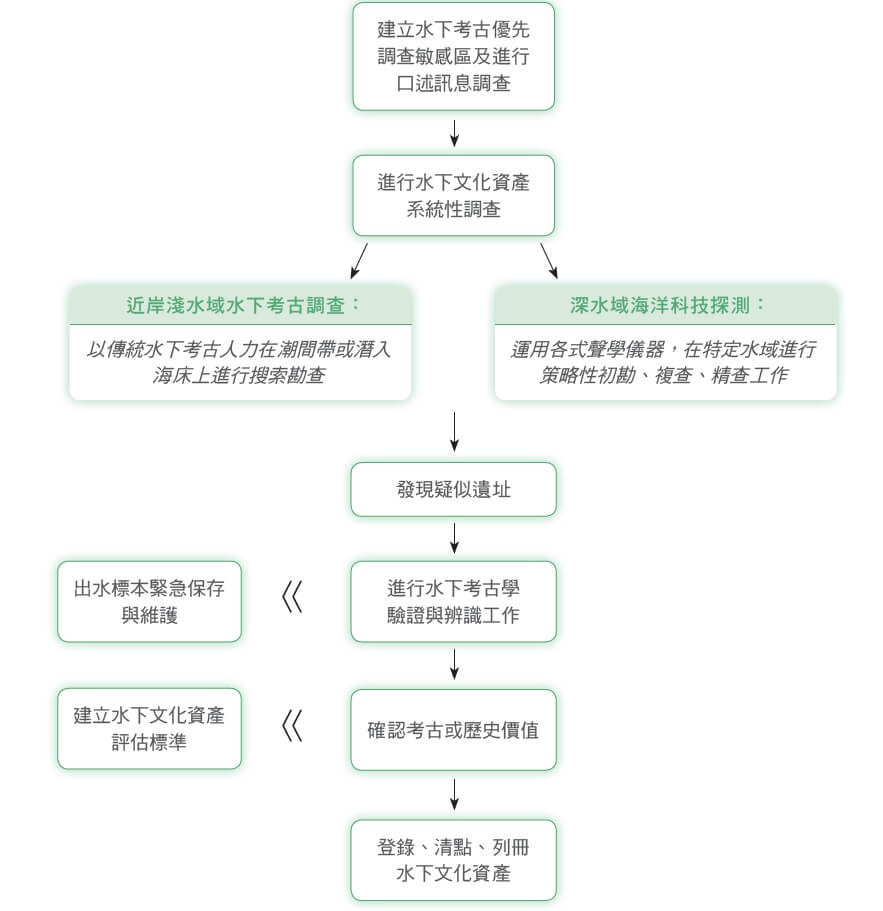
Establishment of underwater archaeological priorities to Investigate sensitive areas and oral messages investigations.
Understanding Underwater Archaeology
-
Background Research
Gather information from archives, historical documents, or interviews to provide a clear blueprint for underwater archaeology work.
-
Exploration and Survey
Utilize visual diving and underwater detection equipment to locate underwater targets.
-
Recording and Measurement
Conduct photography, imaging documentation, measurement, and description of discovered underwater targets.
-
Archaeological Excavation
Perform photography, imaging documentation, measurement, and description for the excavated underwater findings.
Underwater archeology process
Archaeological flow chart-
-
Furthermore, a systematic survey of underwater cultural heritage is conducted, which is divided into:
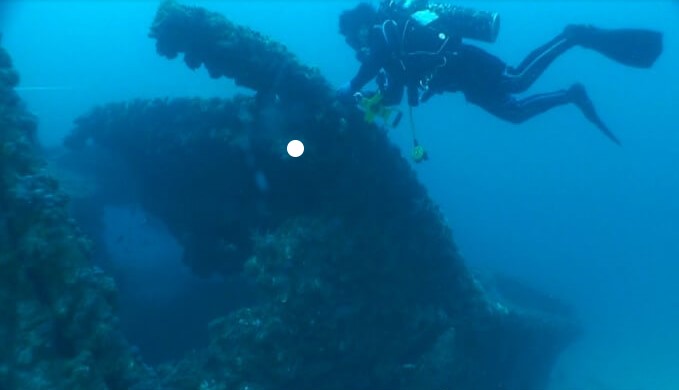
- Underwater archaeological survey in shallow waters near shore: Using traditional underwater archaeological manpower in the Intertidal zone or dive into the seabed upside search for exploration.
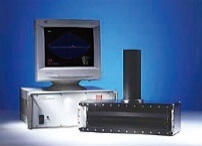
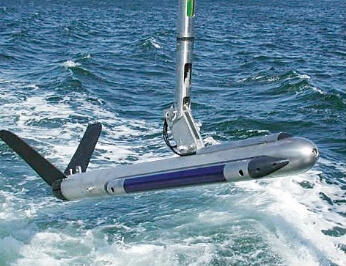
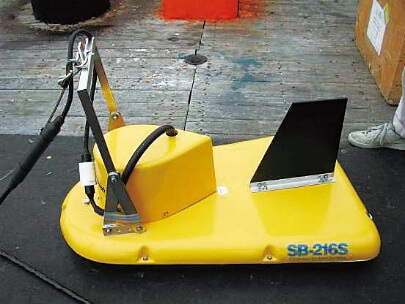
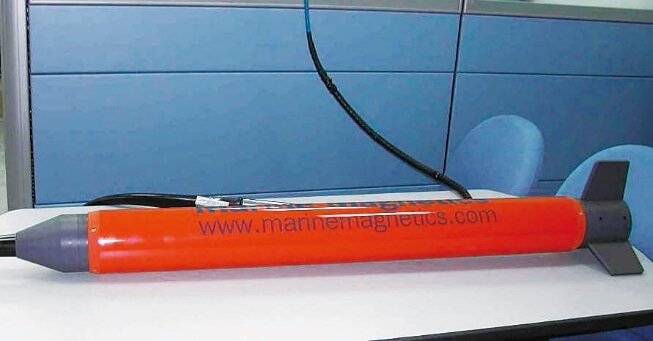
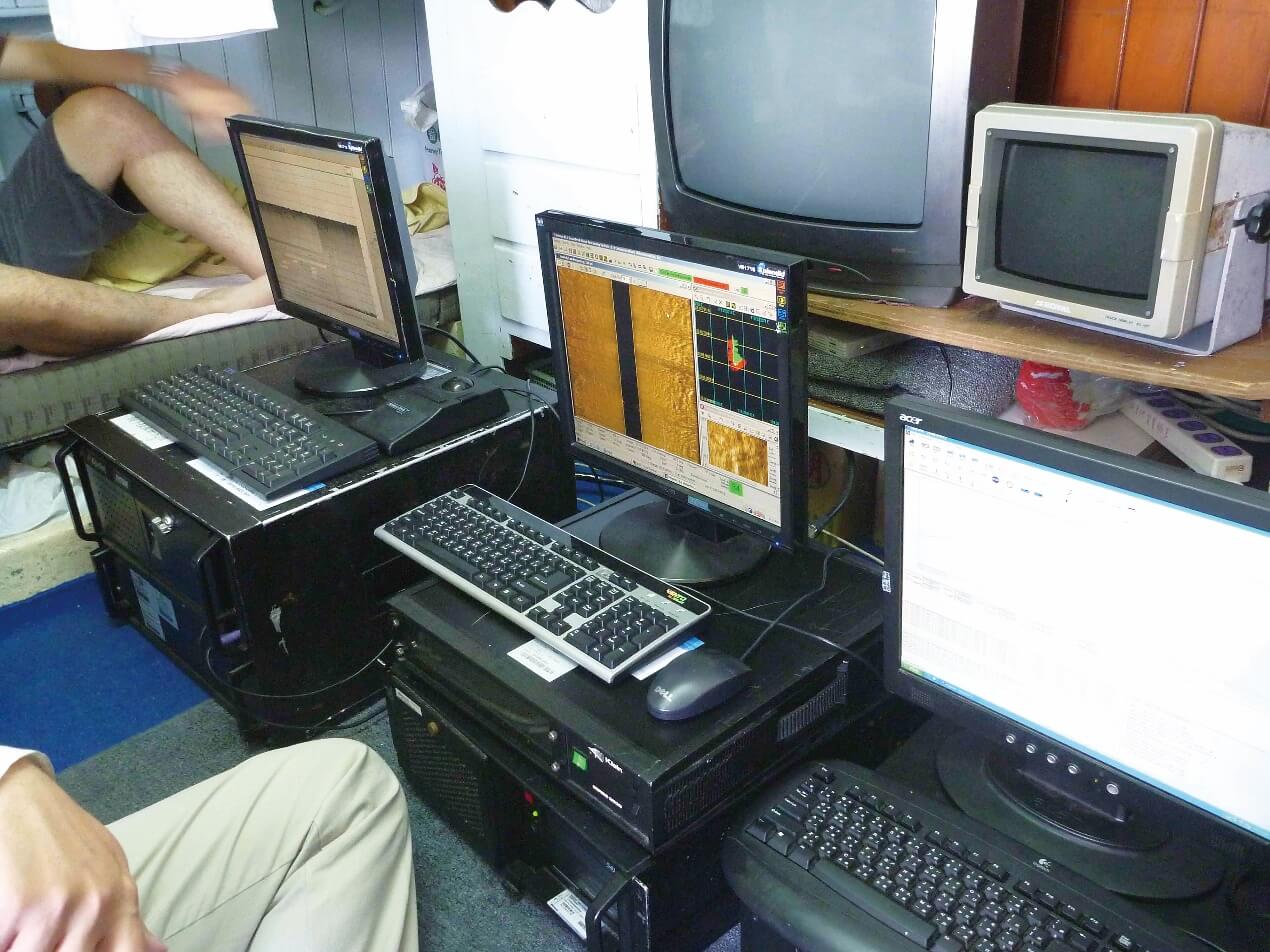
- Deep water ocean science and technology exploration: Using various acoustic instruments to conduct strategic initiatives in specific waters investigation, review and inspection work.
-
Underwater archaeological verification and identification if suspected sites are found and emergency preservation and maintenance of the effluent samples.
-
Identification of archaeological or historical value and establishment of underwater cultural heritage assessment targets as applicable.
-
Finally, register, count and list underwater cultural heritage.
-
STEP.1
Preliminary survey
The aim is not to miss all suspicious objects and to use a variety of detectors during the investigation. Identifying the target locations of underwater archaeological sites.
-
STEP.2
Double-check
Comparison of primary image analysis results in response to a wide range of instrument data or there may be a review of the value of cultural heritage.
-
STEP.3
Make a thorough investigation
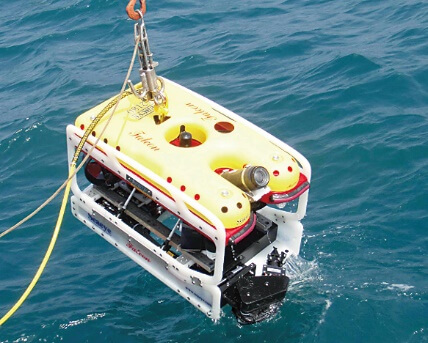
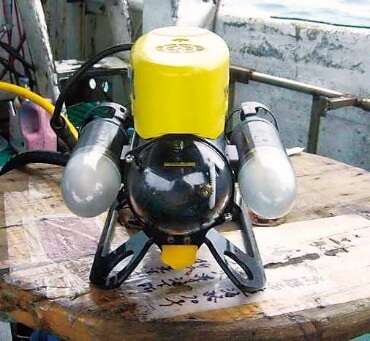
After reviewing the images and positioning them accurately, the most likely targets of cultural value are selected.Underwater photography using unmanned remote controlled vehicles for diving observation surveys.